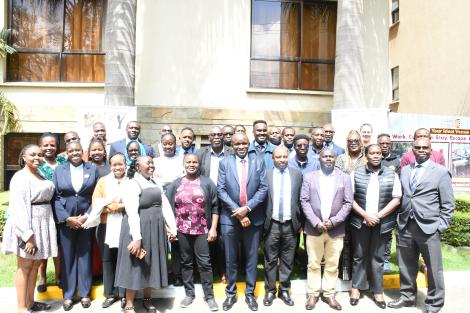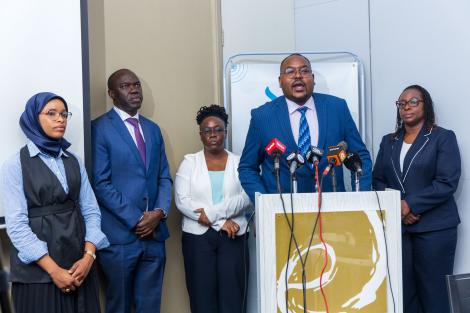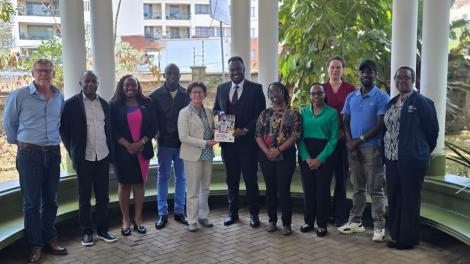
NAIROBI, Kenya - The Missing Voices Coalition convened a meeting with Barbara Lochbihler, Vice-Chair of the United Nations Committee on Enforced Disappearances (CED), to discuss the state of human rights in Kenya, the Coalition’s efforts to end enforced disappearances, and opportunities to strengthen collaboration with international human rights mechanisms.
The meeting provided an opportunity for the Coalition to share its recent data on enforced disappearances documented in Kenya, outline its advocacy campaigns and engagement with government agencies, and discuss measures needed to prevent these violations, establish the fate and whereabouts of disappeared persons, and secure justice for victims and their families.
A key issue raised during the engagement was Kenya’s status regarding the International Convention for the Protection of All Persons from Enforced Disappearance. Although Kenya has signed the Convention, it has not yet ratified or domesticated it. The Coalition continues to advocate for ratification and domestication as part of broader efforts to strengthen legal and institutional protections against enforced disappearances.
The Missing Voices Coalition has documented 198 cases of enforced disappearances in Kenya since 2019. The Coalition recorded 38 cases in 2019, 10 in 2020, 36 in 2021, 22 in 2022, and 10 in 2023. In 2024, the number rose to 55 cases, the highest annual figure in the period covered, before declining to six cases in 2025. In 2026, the Coalition has documented 21 cases so far.
The data forms part of the Coalition’s ongoing work to document cases, monitor patterns of enforced disappearances, amplify the experiences of victims and their families, and inform advocacy for effective responses from relevant authorities.
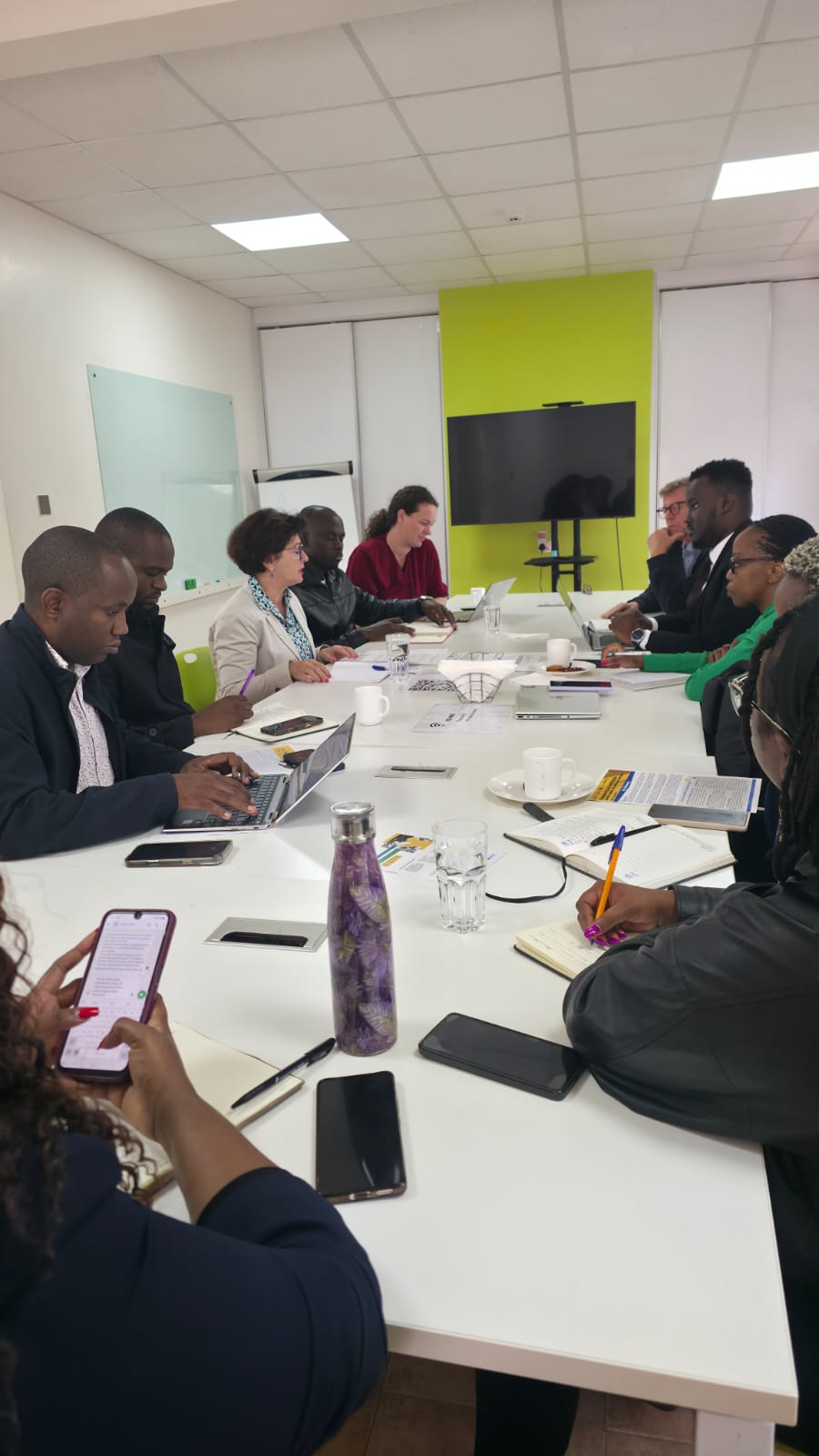
 The Coalition shared the data to highlight the continuing need for effective measures to prevent enforced disappearances, ensure prompt and thorough investigations, establish the fate and whereabouts of missing persons, and hold those responsible accountable.
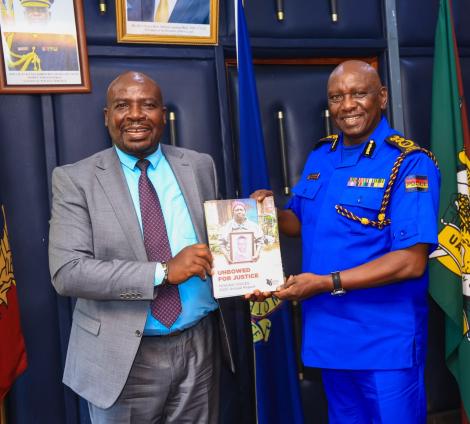
During the meeting, the Coalition outlined its advocacy campaigns and engagements with government agencies aimed at addressing enforced disappearances and strengthening accountability. These efforts seek to improve institutional responses to reported cases, advance justice for victims and their families, and ensure that the search for disappeared persons remains a priority.
The discussions also examined the broader human rights situation in Kenya and the importance of sustained collaboration among civil society organisations, government institutions and international human rights mechanisms. The Coalition emphasised the need to translate commitments to human rights protection into concrete action, particularly in preventing violations and ensuring that families seeking answers about their missing relatives receive meaningful responses.
Ratification and domestication of the Convention remain important advocacy priorities for the Coalition. The Convention provides an international framework for preventing enforced disappearances, combating impunity, and protecting the rights of victims and their families. Bringing Kenya’s legal and institutional framework into line with its provisions would strengthen efforts to address the crime and improve access to justice and effective remedies.
Barbara Lochbihler shared the mandate of the UN Committee on Enforced Disappearances, an independent body of experts that monitors the implementation of the International Convention for the Protection of All Persons from Enforced Disappearance by States Parties.
The Committee and its Secretariat work to support victims, civil society organisations, National Human Rights Institutions and States in efforts to search for and locate disappeared persons, prevent and punish enforced disappearances, and address the harm suffered by victims.
The Committee’s mandate provides an important framework for international cooperation in addressing enforced disappearances. Its work complements the efforts of organisations documenting cases, supporting affected families and advocating for accountability at the national level.
Barbara also discussed opportunities for collaboration with the Coalition in advancing efforts to prevent and address enforced disappearances. The engagement provided an opportunity to consider how the Coalition’s documentation, advocacy campaigns and collaboration with national stakeholders could complement the Committee’s mandate and contribute to stronger action on the issue.
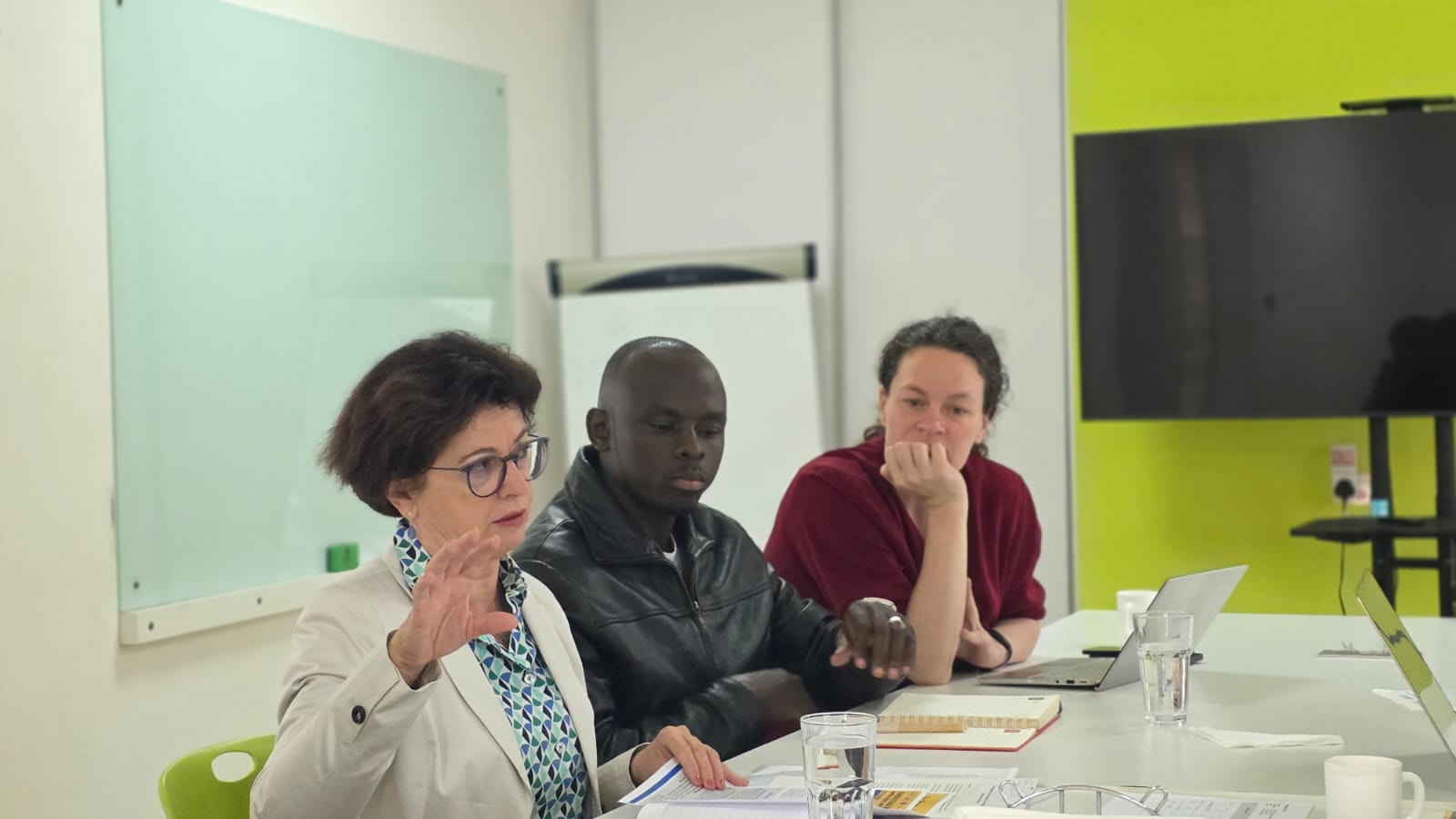 The meeting reaffirmed the importance of sustained engagement between civil society organisations and international human rights mechanisms in addressing enforced disappearances. Through its documentation, advocacy and collaboration with government agencies and other stakeholders, the Missing Voices Coalition continues to push for effective responses to reported cases and accountability for violations.
The Coalition will continue to advocate for the prevention of enforced disappearances, ratification and domestication of the Convention, thorough investigations, and justice for victims and their families. It also seeks to ensure that the experiences of affected families inform national and international efforts to address the crime.
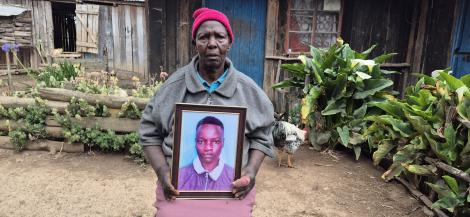
For families whose loved ones have disappeared, establishing the truth about their fate and whereabouts remains an urgent concern. Addressing enforced disappearances requires sustained action, cooperation among relevant institutions and a commitment to ensuring that victims and their families are not left without answers or justice.